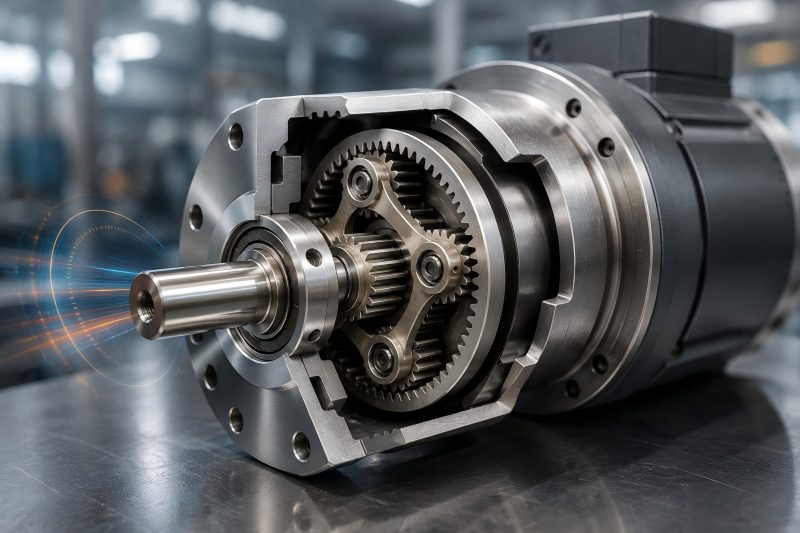
What Causes Backlash in Planetary Gear Motors?
Planetary gear motors support precise motion in many automated systems. They are valued for their compact structure, high torque density, smooth

Planetary gear motors support precise motion in many automated systems. They are valued for their compact structure, high torque density, smooth
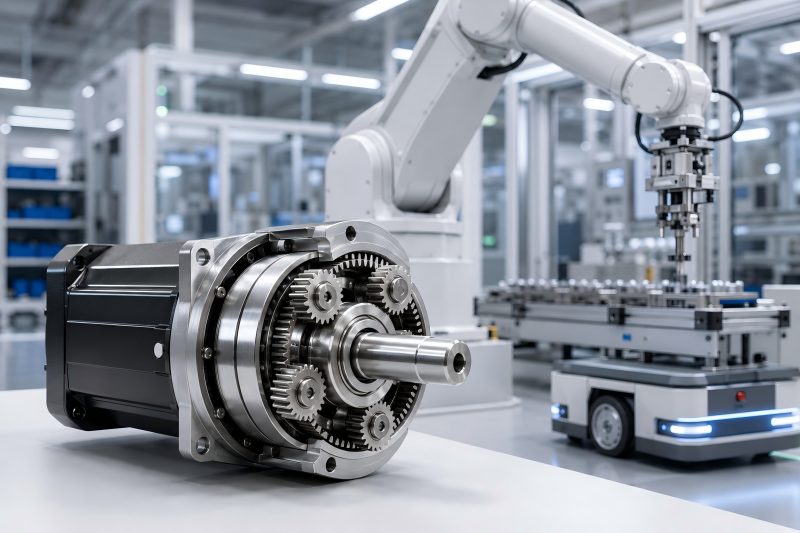
Planetary gear motors for robotics offer high torque density, compact size, smooth operation, and strong positioning performance. They are widely used
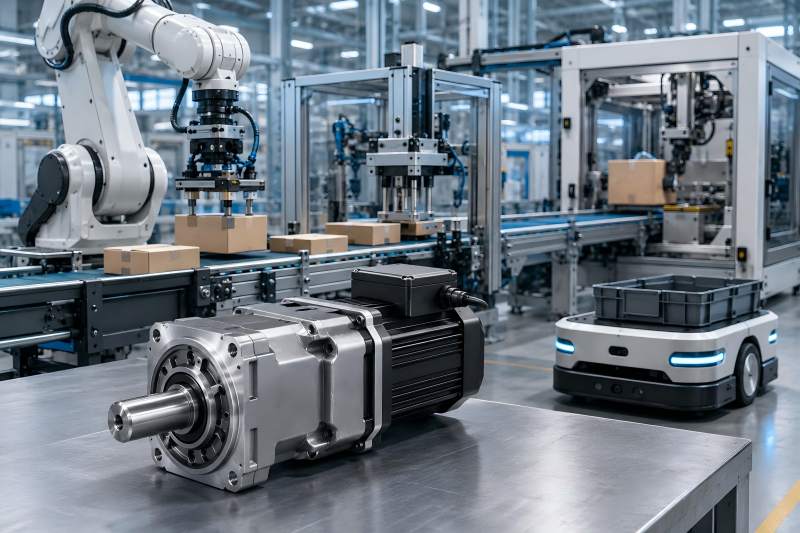
Planetary gear motors are essential drive components in modern automation equipment. They support a wide range of automation applications, including: Conveyor
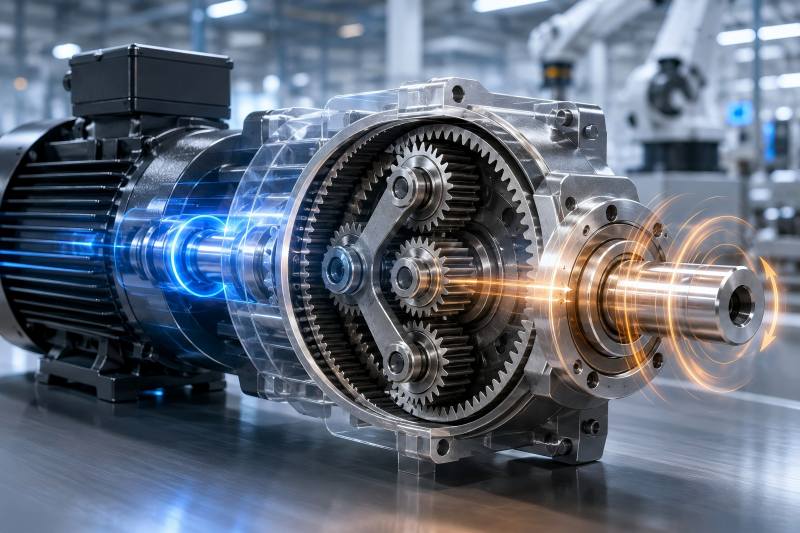
Gear ratio determines how motor speed is reduced and how torque is increased. A suitable gear ratio helps the drive system
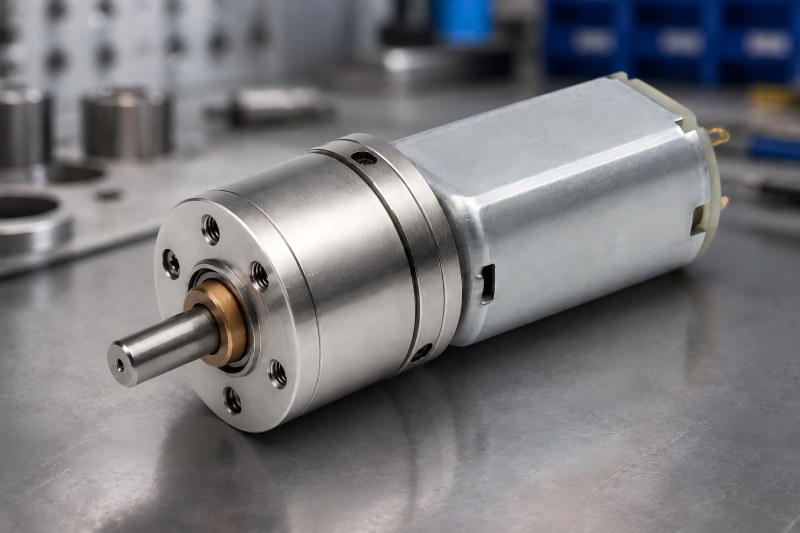
A planetary gear motor should be selected according to torque, speed, ratio, load type, duty cycle, and precision requirements. The
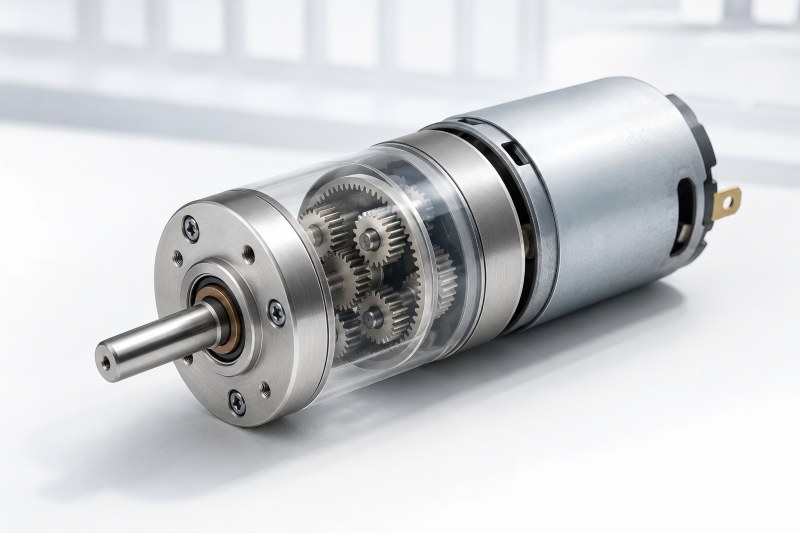
Planetary gear motors are compact, efficient, and powerful drive solutions, but they must be correctly selected, installed, and maintained. Common
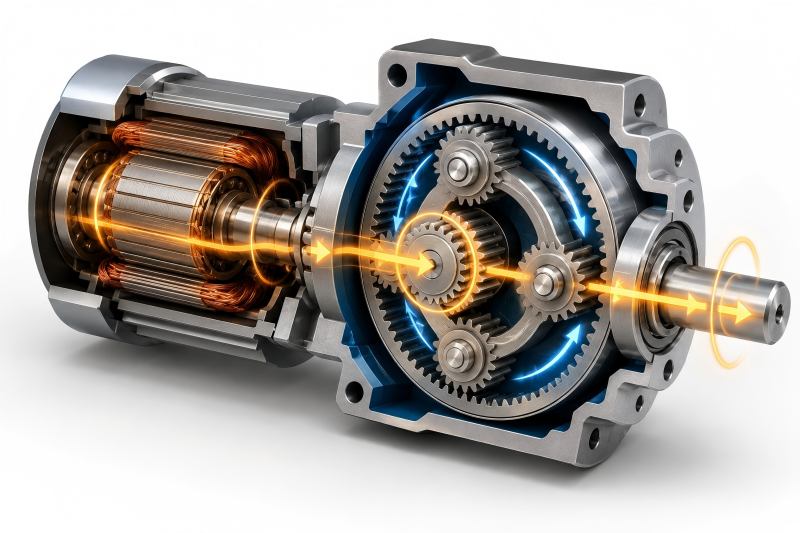
Planetary gear motors provide rotational power, while the planetary gearbox reduces speed and increases torque through a compact gear arrangement.

The planetary gear motor market is growing steadily as automation, robotics, electric mobility, smart logistics, packaging machinery, medical devices, and
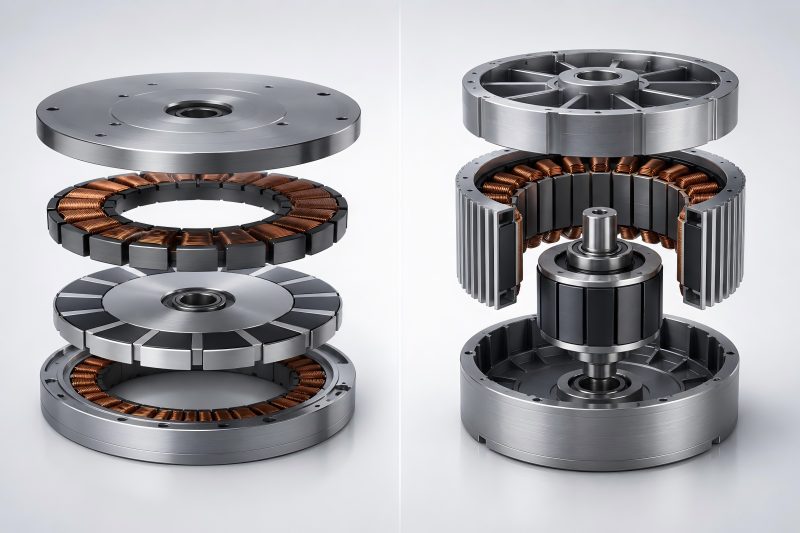
Axial and radial flux motors differ mainly in flux direction, structure, and torque density. In radial flux motors, the flux
The global gear motor market is growing steadily as more industries move toward automation, compact machinery, robotics, smart logistics, packaging
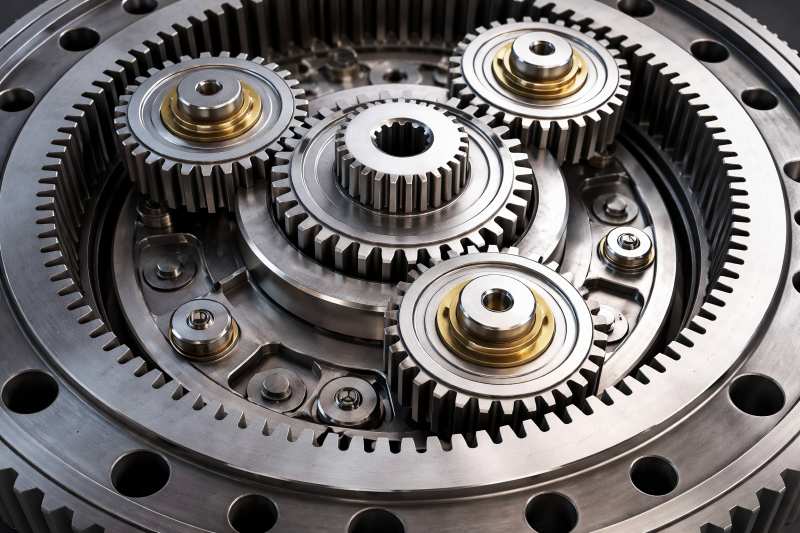
From automotive transmissions to robotics, aerospace systems, and industrial machinery, these gear systems deliver high torque, excellent load distribution, and
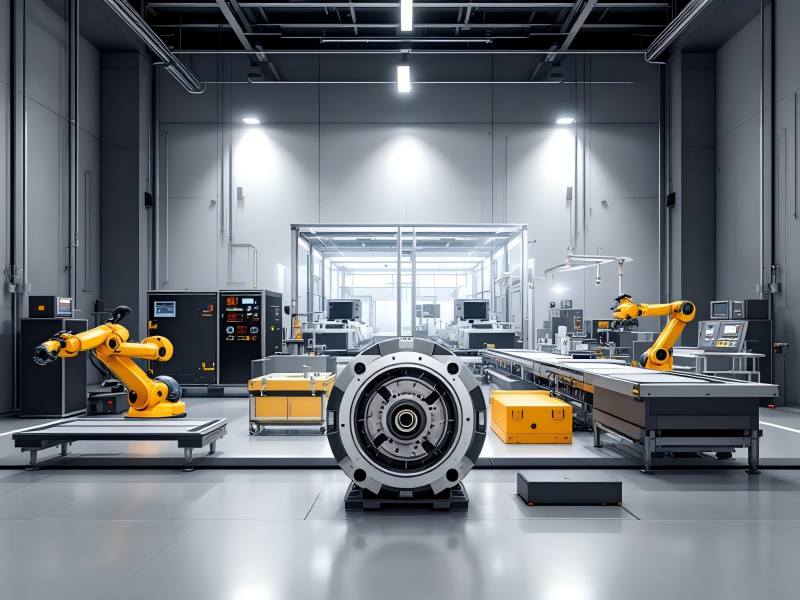
When combined with different motor technologies—Brushless DC (BLDC) and Brushed DC motors—they form two widely used solutions: BLDC planetary motors and brushed