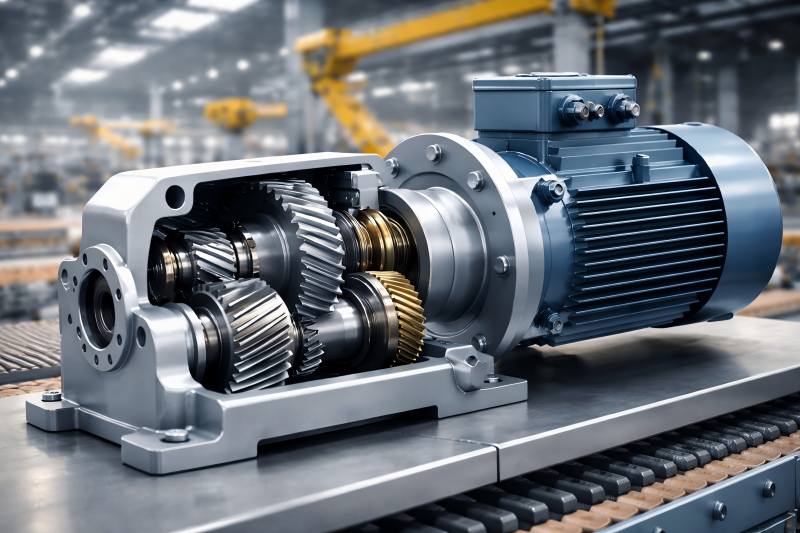
What Is the Working Principle of a Gear Motor in Industrial Applications?
Gear motors are perfect for industrial jobs like conveying, lifting, and mixing because they combine an electric motor with a

Gear motors are perfect for industrial jobs like conveying, lifting, and mixing because they combine an electric motor with a
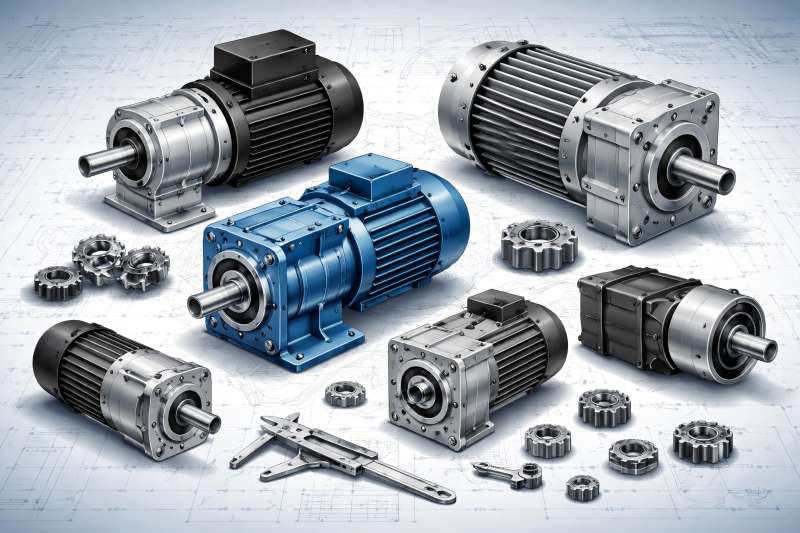
Gear motors are vital components in modern industrial applications, providing the necessary torque and speed to drive mechanical systems efficiently.
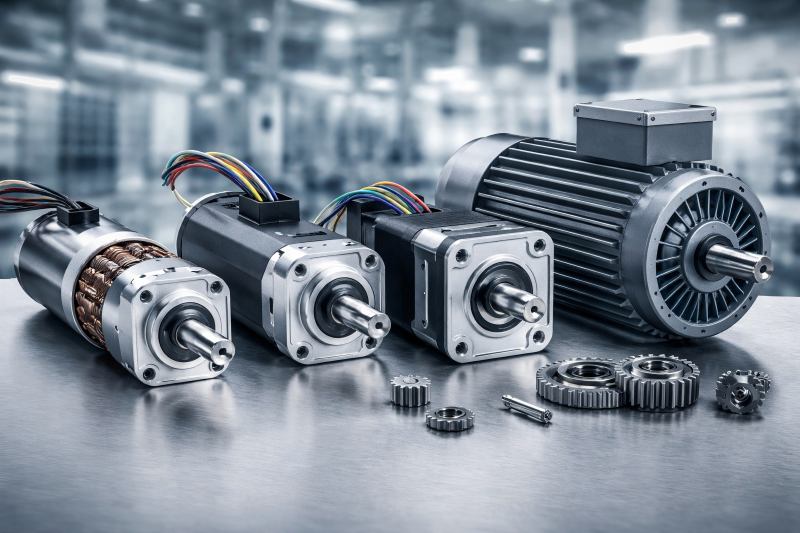
Planetary gear motors are common in robotics, automation, industrial machinery, and EVs due to compact design, high torque, and efficient
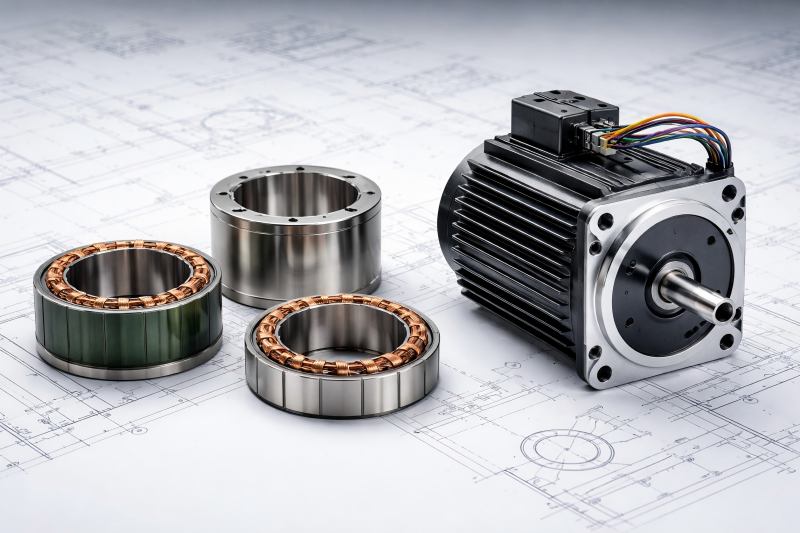
Electric motors play a crucial role in a wide range of devices, powering everything from industrial machinery to consumer electronics.
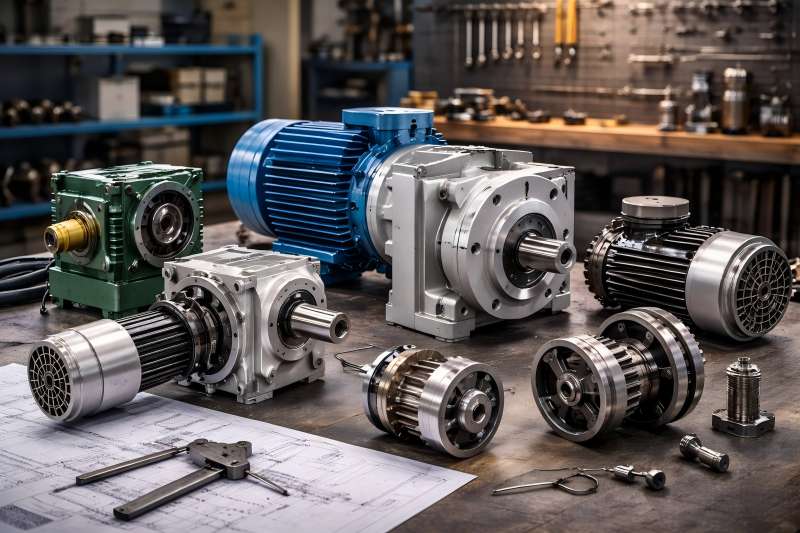
In mechanical engineering, combining gearboxes and motors is essential for optimal industrial efficiency. The way gearboxes and motors are paired
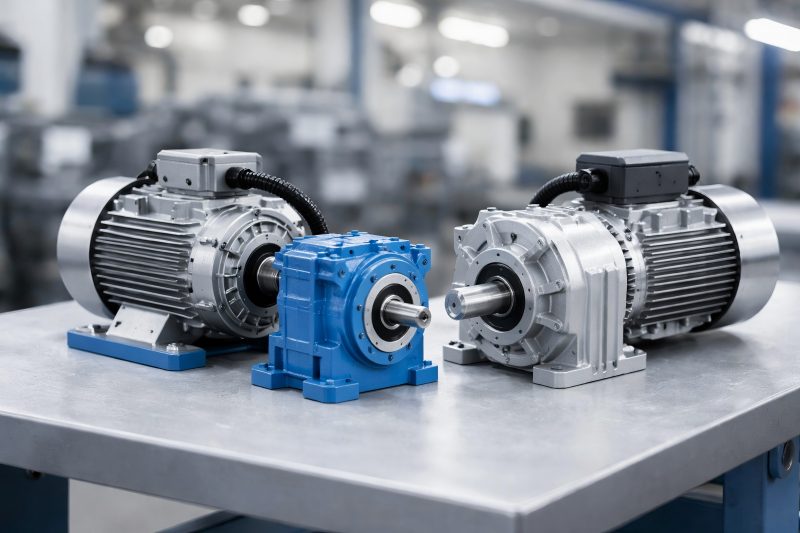
In industrial automation, robotics, material handling, and mechanical transmission systems, terms like gear motor and reduced motor are often used interchangeably. This
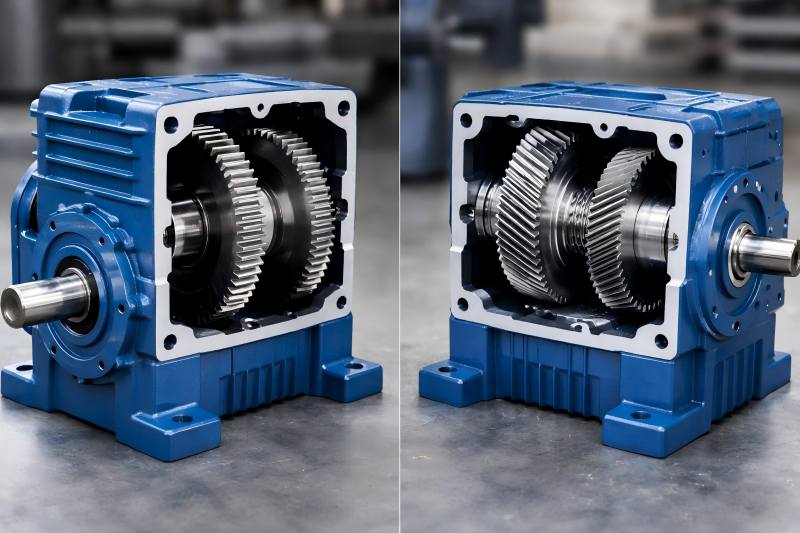
Choosing between a spur gearbox and a helical gearbox looks simple on paper: both reduce speed, multiply torque, and transmit
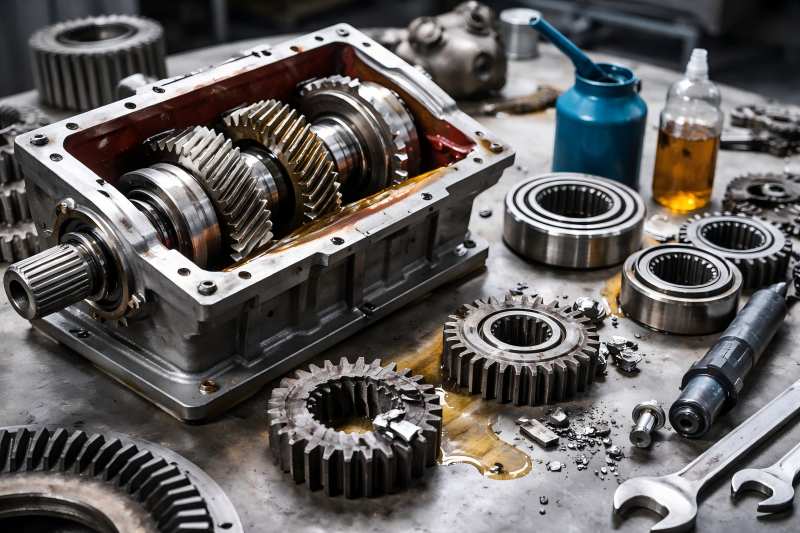
Gearboxes are critical components in numerous industrial systems, including conveyors, mixers, wind turbines, machine tools, and heavy-duty material handling equipment.
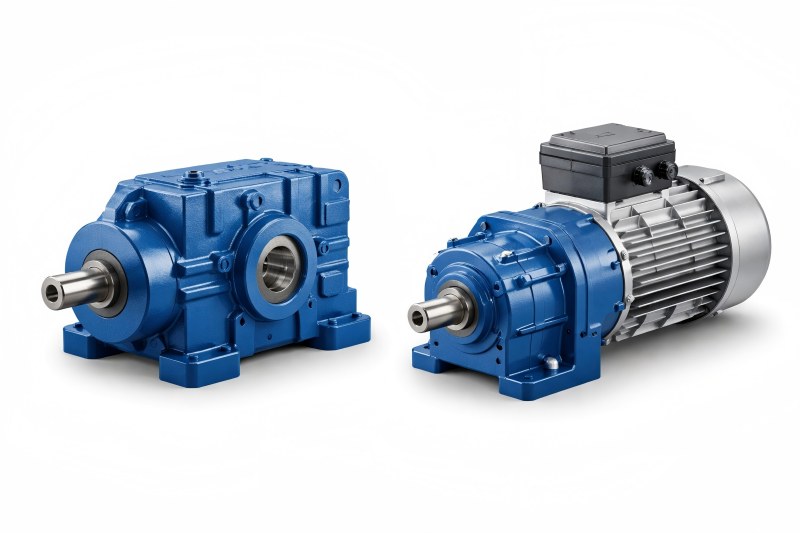
In industrial motion control systems, selecting the right drive solution is critical for performance, efficiency, reliability, and cost control. Two
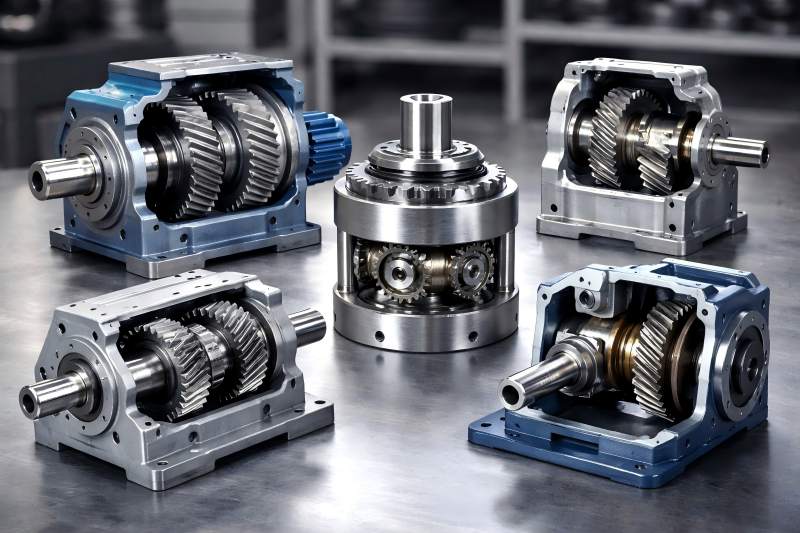
Gearboxes are the quiet workhorses behind countless machines—from small conveyors and packaging equipment to cranes, wind turbines, and automotive drivetrains.
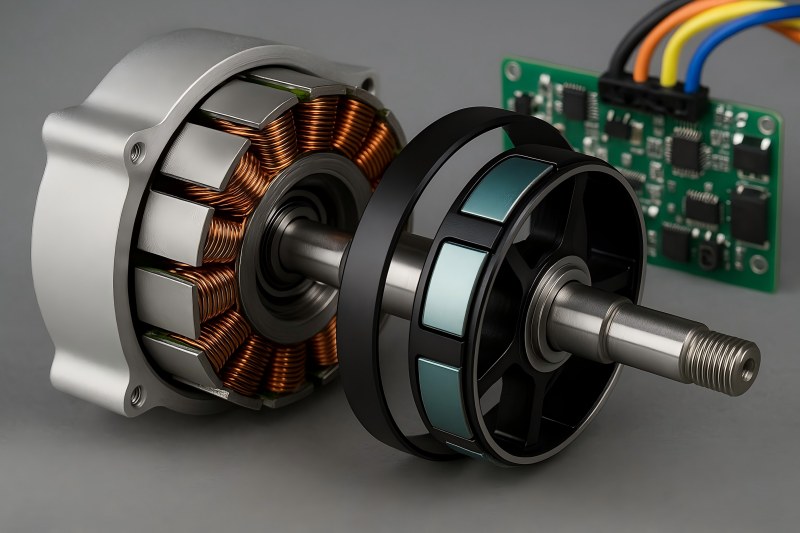
The Brushless DC Motor, commonly known as a BLDC motor, has revolutionized the way electrical energy is converted into motion.

Unlike brushed motors, BLDC motors rely on electronic commutation, meaning that current is switched by an external controller rather than