
When combined with different motor technologies—Brushless DC (BLDC) and Brushed DC motors—they form two widely used solutions: BLDC planetary motors and brushed planetary motors.
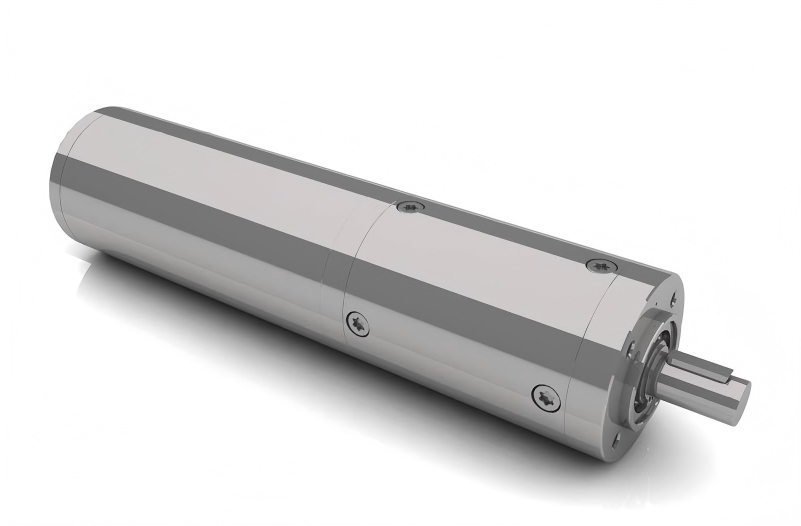
What’s BLDC Planetary Motors
A BLDC planetary motor combines a brushless DC motor with a planetary gearbox.
Structure
A BLDC motor consists of:
- Permanent magnet rotor
- Stator windings
- Electronic controller (ESC or driver)
Unlike brushed motors, BLDC motors do not use brushes or commutators. Instead, electronic switching controls current flow.
Working Principle
- The controller energizes stator coils in sequence
- This creates a rotating magnetic field
- The rotor follows this field, producing motion
Key Characteristics
- High efficiency (typically 85–95%)
- Long lifespan due to no mechanical wear from brushes
- Precise speed and torque control
- Low noise and minimal electromagnetic interference
| Pros | Cons |
| High efficiency | Higher cost |
| Long lifespan | Requires controller |
| Low maintenance | More complex system integration |
| Quiet operation | |
| Precise control |
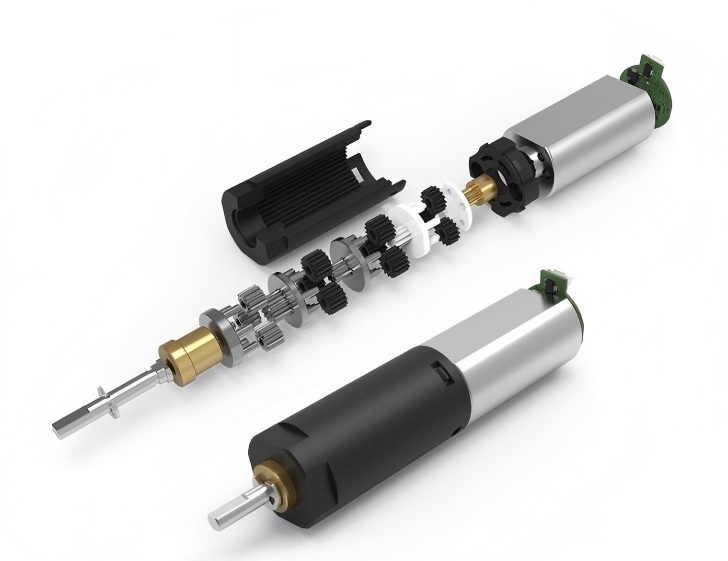
What’s Brushed Planetary Motors
A brushed planetary motor integrates a traditional brushed DC motor with a planetary gearbox for torque and speed control.
Structure
Key components include:
- Armature (rotor winding)
- Commutator
- Carbon brushes
- Stator (magnetic field source)
Working Principle
- Electric current flows through brushes into the commutator
- The commutator switches current direction
- This generates a rotating magnetic field and drives the rotor
Key Characteristics
- Simple design and control (no external controller required)
- Lower initial cost
- High starting torque
- Easier integration in basic systems
| Pros | Cons |
| Low cost | Brush wear and maintenance |
| Simple operation | Lower efficiency |
| High starting torque | Shorter lifespan |
| Easy to implement | Higher noise |
Core Differences Between BLDC and Brushed Planetary Motors
The primary variation is how electrical power is converted into movement, either by brush-based commutation or electronic regulation.
| Feature | BLDC Planetary Motor | Brushed Planetary Motor |
| Commutation | Electronic | Mechanical (brushes) |
| Efficiency | High (85–95%) | Moderate (70–80%) |
| Maintenance | Low | High (brush replacement) |
| Lifespan | Long | Shorter |
| Noise Level | Low | Higher |
| Cost | Higher upfront | Lower upfront |
| Control | Advanced (requires controller) | Simple |
| Heat Generation | Low | Higher |
| Reliability | High | Moderate |
| Speed Range | Wide and precise | Limited |
Performance Comparison
Although both motor types benefit from the torque multiplication of a planetary gearbox, their internal commutation methods lead to fundamentally different performance behaviors.
Efficiency and Energy Consumption
Efficiency is one of the most important distinctions between BLDC and brushed planetary motors, particularly in systems that run for extended periods or require energy optimization. BLDC motors achieve higher efficiency by removing brush friction and optimizing electronic switching.
Over time, this efficiency translates into tangible operational benefits. Lower energy consumption not only reduces electricity costs but also minimizes heat generation, which can improve system stability and reduce the need for additional cooling components.
Key efficiency-related advantages of BLDC motors include:
- Reduced mechanical losses due to the absence of brushes
- Optimized current switching through electronic control
- Higher power-to-output conversion rates
Brushed motors, on the other hand, experience continuous energy loss due to friction and voltage drops at the brush-commutator interface. While acceptable for short-term or low-duty applications, this inefficiency becomes more costly in continuous operation scenarios.
Torque Output and Load Handling
Both BLDC and brushed motors can deliver high torque when paired with a planetary gearbox, but the way they handle torque under different load conditions varies significantly. BLDC motors provide smoother and more consistent torque because their electronic commutation ensures stable magnetic field transitions.
This makes BLDC planetary motors particularly suitable for applications where load conditions fluctuate or where precision is critical. The ability to maintain torque stability under variable speeds enhances performance in automation and motion control systems.
Typical torque characteristics of BLDC motors include:
- Smooth torque delivery with minimal ripple
- Stable performance under variable loads
- Better torque retention at higher speeds
Brushed motors are known for their strong starting torque, which is beneficial in applications that require an initial force to overcome inertia. However, as speed increases or load conditions change, torque output may become less consistent due to mechanical commutation limitations.
Speed Control and Dynamic Response
Speed control is another area where BLDC motors demonstrate clear advantages. Because they rely on electronic controllers, BLDC systems can achieve highly accurate speed regulation and rapid response to input changes.
This level of control allows for advanced motion profiles, including acceleration, deceleration, and position-based adjustments. As a result, BLDC planetary motors are widely used in systems that demand synchronization and precision.
Key speed control advantages of BLDC motors:
- Wide speed range with stable operation
- Fast response to control signals
- Programmable and repeatable performance
In contrast, brushed motors offer more basic speed control, typically achieved by adjusting voltage. While this method is simple and cost-effective, it lacks the precision and responsiveness required for complex or high-performance applications.
Noise, Vibration, and Operational Smoothness
Noise and vibration are often overlooked during initial selection but can significantly affect user experience, equipment lifespan, and system stability. BLDC motors operate much more quietly because they do not rely on physical contact between brushes and commutators.
This results in smoother rotation and reduced mechanical wear, which is especially important in sensitive environments such as medical equipment or precision instruments. Lower vibration levels also contribute to better alignment and reduced stress on connected components.
BLDC motors typically offer:
- Quiet operation with minimal acoustic noise
- Reduced vibration due to smooth commutation
- Improved overall system stability
Brushed motors, by comparison, generate noise through continuous brush contact and electrical arcing. Over time, this not only increases sound levels but can also contribute to wear and reduced performance consistency.
Thermal Performance and Heat Management
Thermal behavior is closely tied to both efficiency and longevity. BLDC motors generate less heat because of their higher efficiency and lack of frictional losses, allowing them to maintain stable performance even during prolonged operation.
Lower heat generation also reduces the risk of overheating, which can damage internal components or degrade insulation materials. This makes BLDC motors more suitable for enclosed or thermally sensitive environments.
Thermal advantages of BLDC motors include:
- Lower operating temperatures
- Reduced need for external cooling
- Improved reliability under continuous load
Brushed motors tend to produce more heat due to both electrical and mechanical losses. In high-duty applications, this may require additional cooling solutions or lead to faster component degradation if not properly managed.
Maintenance and Lifespan
Maintenance and lifespan are critical considerations when selecting between BLDC planetary motors and brushed planetary motors, as they directly affect operational reliability, downtime, and long-term costs. While both motor types can perform effectively in the short term, their structural differences lead to significant variations in how often they require servicing and how long they can operate before replacement.
In practical applications, these factors become especially important in systems that run continuously or are installed in locations where maintenance access is limited. Choosing the right motor type can therefore reduce unexpected failures and improve overall system efficiency.
BLDC Planetary Motors
BLDC planetary motors are designed with longevity in mind, primarily because they eliminate one of the most failure-prone components found in traditional motors: the brushes. Without mechanical contact for commutation, internal wear is significantly reduced, allowing the motor to operate smoothly over long periods.
This design advantage translates into minimal maintenance requirements. In most cases, BLDC motors only require periodic inspection rather than component replacement, making them ideal for applications where reliability is essential and maintenance intervals need to be extended.
Key maintenance characteristics of BLDC motors include:
- No brush or commutator wear, reducing mechanical degradation
- Lower risk of performance decline over time
- Minimal routine servicing requirements
In terms of lifespan, BLDC planetary motors can typically operate for 10,000 to 20,000 hours or more, depending on load conditions and environmental factors. Their durability makes them particularly suitable for continuous-duty applications such as industrial automation, robotics, and medical systems.
Brushed Planetary Motors
Brushed planetary motors, while simpler in design, require more frequent maintenance due to the presence of brushes and a commutator. These parts experience continuous friction and arcing, causing gradual wear over time.
As the brushes wear down, motor performance can decline, resulting in reduced efficiency, increased noise, and potential instability. Regular maintenance is therefore necessary to ensure consistent operation and to prevent unexpected failures.
Typical maintenance requirements for brushed motors include:
- Periodic brush inspection and replacement
- Cleaning of the commutator surface
- Monitoring for sparking or excessive wear
The lifespan of brushed planetary motors is generally shorter, often ranging from 1,000 to 5,000 hours, depending on usage intensity and operating conditions. In high-duty applications, this can lead to more frequent downtime and higher long-term maintenance costs.
Long-Term Reliability Considerations
When evaluating maintenance and lifespan, it is important to consider not just the motor itself, but the broader impact on the system. Motors that require frequent servicing can increase labor costs, interrupt production, and introduce variability in performance.
BLDC motors offer a clear advantage in this regard, as their stable operation over time reduces the need for intervention. This reliability is particularly valuable in automated systems where consistency and uptime are critical.
Key reliability advantages of BLDC motors:
- Consistent performance over extended periods
- Reduced risk of sudden failure
- Lower total maintenance workload
Brushed motors, while adequate for simpler or intermittent tasks, may introduce higher operational risk in demanding environments. Their maintenance demands may hinder performance in systems requiring high uptime.
Environmental Impact on Maintenance
Environmental conditions strongly influence maintenance needs and lifespan. Factors such as dust, humidity, temperature, and vibration can accelerate wear, particularly in brushed motors where exposed components are more vulnerable.
BLDC motors perform better in harsh environments.The absence of brushes reduces the likelihood of contamination-related issues and minimizes the risk of sparking, which can be critical in certain industrial settings.
Environmental considerations include:
- Dust and debris accelerating brush wear in brushed motors
- High temperatures affecting insulation and component life
- Vibration impacting mechanical stability over time
Cost Considerations
At the initial investment stage, brushed planetary motors are attractive due to their simple construction and lack of electronic controllers. This suits cost-sensitive projects or low-demand applications. In contrast, BLDC motors require additional components such as controllers and more advanced materials, which increases their upfront cost.
Over time, BLDC motors consume less energy due to their higher efficiency, which can significantly reduce electricity costs in continuous or high-duty applications. Additionally, their minimal maintenance requirements eliminate frequent servicing expenses associated with brush replacement and commutator wear.
Another important factor is downtime and replacement frequency. Brushed motors, with a typical lifespan of 1,000–5,000 hours, may need to be replaced multiple times during the lifecycle of a system. BLDC motors, on the other hand, can operate for 10,000–20,000 hours or more, reducing both replacement costs and operational interruptions.
| Cost Factor | BLDC Motor | Brushed Motor |
| Initial Investment | High | Low |
| Maintenance Cost | Low | High |
| Energy Cost | Low | Higher |
| Replacement Frequency | Low | High |
| Long-Term Value | Excellent | Moderate |
Control and Integration
In today’s industrial and automation environments, motors are rarely standalone components. Instead, they are part of larger, interconnected systems that require precise coordination, real-time feedback, and adaptability. This makes control capability an increasingly important selection factor.
BLDC Planetary Motors
BLDC planetary motors rely on electronic commutation, which means they must be paired with a controller such as an Electronic Speed Controller (ESC) or a dedicated driver.
This electronic control enables advanced features such as closed-loop control, where feedback from sensors ensures accurate and stable operation even under changing load conditions.
Key control advantages of BLDC motors include:
- Precise speed and torque regulation
- Programmable motion profiles and automation compatibility
- Integration with sensors (Hall sensors or sensorless systems)
In terms of integration, BLDC motors are well-suited for modern digital systems. They can easily connect to microcontrollers, PLCs, and industrial networks, making them ideal for smart manufacturing and IoT-enabled applications.
Brushed Planetary Motors
Brushed planetary motors operate with a much simpler control mechanism. They do not require electronic commutation, so they can run directly from a DC power supply.
Speed is controlled via voltage variation or basic PWM. While this approach is sufficient for many applications, it does not provide the same level of precision or responsiveness as BLDC systems.
Typical control characteristics of brushed motors include:
- Direct power supply operation without complex electronics
- Simple speed control through voltage adjustment
- Minimal setup and integration requirements
Because of their simplicity, brushed motors are often used in standalone devices or systems where advanced control is not necessary. However, this also limits their ability to adapt to more complex or dynamic operational requirements.
System-Level Integration Considerations
When evaluating control and integration, it is important to consider the overall system architecture rather than just the motor itself. In highly automated environments, the ability to communicate with other components and respond dynamically to control signals is essential.
BLDC motors offer a clear advantage in such systems, as they can be seamlessly integrated into digital control frameworks. Their compatibility with feedback systems and programmable controllers allows for higher efficiency and better synchronization across multiple components.
Important integration considerations include:
- Compatibility with automation systems (PLC, CNC, robotics)
- Need for feedback and closed-loop control
- System scalability and future upgrades
Brushed motors, while easier to deploy, are better suited for simpler systems where integration complexity must be minimized. In these cases, their straightforward operation can reduce development time and initial costs.
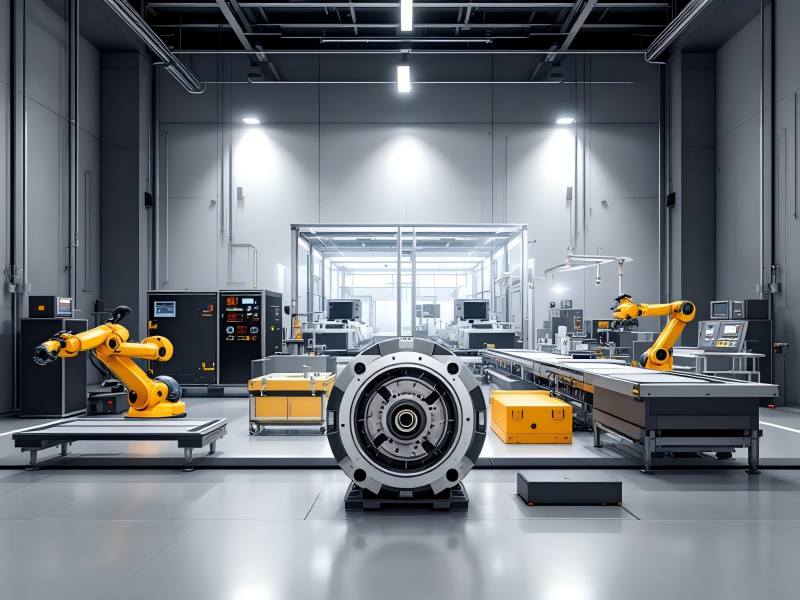
Application
BLDC planetary motors are typically used in advanced systems requiring precision, efficiency, and long service life. They are ideal for:
- Robotics and automation equipment
- CNC machines and servo systems
- Medical devices and laboratory instruments
- Electric vehicles and smart home systems
Brushed planetary motors are better suited for simple, cost-sensitive, or intermittent-use applications. Common use cases include:
- Power tools and handheld devices
- Automotive components (windows, seats)
- Toys and small appliances
- Basic actuators and low-end automation systems
Which One Should You Choose?
BLDC planetary motors excel in high-efficiency, precise, durable applications. Their ability to provide stable performance over long operating cycles makes them ideal for systems that demand continuous use or high reliability. In addition, their compatibility with advanced control systems allows for better integration into modern automation environments.
You should consider BLDC planetary motors when:
- Long lifespan and minimal maintenance are required
- Energy efficiency is a priority
- Precise speed and torque control are essential
- The system involves automation or smart control
On the other hand, brushed planetary motors remain a practical solution for simpler or cost-driven applications. Their straightforward design and ease of use make them suitable for projects where advanced control is not necessary and operational demands are relatively low.
You should consider brushed planetary motors when:
- Initial budget is limited
- The application is intermittent or short-term
- Simple control and quick integration are sufficient
- Replacement and maintenance are manageable
In many cases, the decision ultimately comes down to total lifecycle value. While brushed motors offer lower upfront costs, BLDC motors often deliver better long-term returns through improved efficiency, reduced downtime, and extended service life.